

ACCIDENTAL CONTACT: Accidental hand contact hazards in the work area, such as accidental splashes, spills, sprays, or exposure to infectious disease agents. Faced with these occasional situations, a barrier between the glove wearer and the material is required to avoid accidental contact.
Long-term exposure: Exposure to hazards in the workplace for a long time, such as handling highly contaminated materials, chemicals or other harmful substances, high-temperature products or sharp products, etc.
Determining what a nitrile glove will protect against depends on the thickness of the glove. Thinner nitrile gloves (such as disposable examination gloves) are generally used for incidental contact. Thicker nitrile gloves, such as reusable gloves, are used for prolonged contact. In general, nitrile gloves with a thickness of 5 mm can withstand chemical exposure for about 15 minutes.
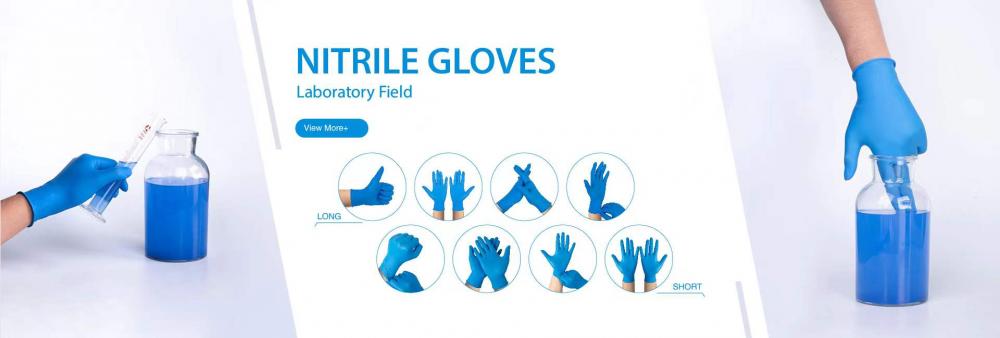
Specifically, nitrile gloves can resist the following substances:
Microorganisms: Nitrile gloves can resist a variety of microorganisms, such as bacteria, fungi and viruses. Therefore, nitrile gloves are widely used in the medical industry.
Oil, fuel and petroleum products: Nitrile gloves are resistant to petroleum products such as oil, fuel and grease, so they are widely used in the automotive, manufacturing and industrial industries.
Weak Acids: Nitrile gloves protect the wearer from weak acids such as sulfuric and nitric acids. This resistance makes nitrile gloves versatile and useful in a variety of industries, from pharmaceuticals to food service.
Weak caustics: The term caustics refers to anything that can cause corrosion. Nitrile gloves are resistant to mild caustic substances.
Some organic solvents: The resistance of nitrile lab gloves to many organic solvents makes them suitable for laboratory work and a variety of experiments.